
Learning ‘the business’ of the business that you are in takes time to understand the limitations and capacity to adopt beneficial changes. Unless there is an underlying need or want to evolve, embedding UX in an organisation is always going to be difficult.
Aside from the development of new features which may come down from up high (Highest paid opinions aside), it may be difficult to reverse poor decisions of the past. Leveraging UX maturity in this environment is challenging; as is building a case for user-centred or design-led decision making.
Research is great at uncovering attitudes, behaviours and pain points but implementing this as change is often the challenge which needs to be overcome. The usual answer is such that there is no budget or that it is perceived that this will bring little benefit in terms of monetisation.
So what progress can be made in bringing about maturity in the organisations approach to UX, overall improvement in the overall experience and benefiting the organisation in terms of decision making which leads to closing the UX gap.
We could bang the drum of usability. But so what? Usability usually suffers because of poor design decision making and a lack of direction. This is sometimes because designers have a propensity to reinvent something each time to show off their creativity (that’s not a critical statement, it’s characteristic of the nature of design).
We could do mountains of research, but without actionable and implementable recommendations it becomes research for research’s sake; as well as a waste of resources. The research must be fit for purpose, insightful and useful and within a useful context.
Here are some ideas about creating opening gambits in which to start conversations with engaged stakeholders:
- Understand users and their journeys; highlight their current behaviours, pain points, situations, and expectations and be prepared to validate what you know to be true and learn the things that aren’t
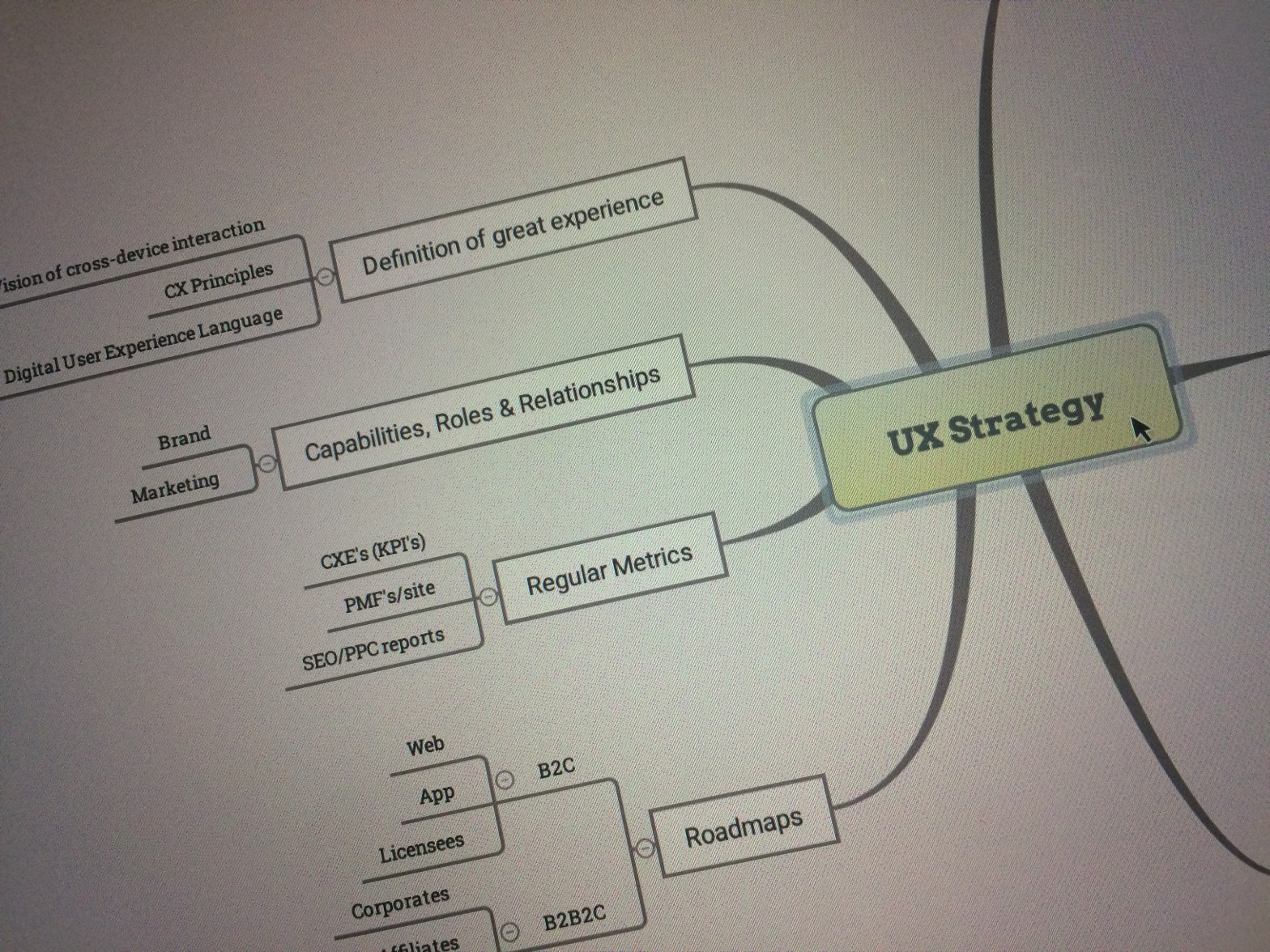
- Provide UX design direction; pattern libraries, standards for experience. Experience principles which enables you to focus on the big problems without being distracted with the little ones
- Research budget allocation; where is the money or time currently being spent
- Build a long term business case for each stakeholder group which demonstrates value and empathy to what need to achieve; product management, brand, etc
- Create realistic measures; benchmark, monitor and analyse these regularly to understand the broader picture
- Understand the current capabilities and roles or the team; can you influence the capability of the team into new areas rather than just filling gaps
- Always align to the business outcomes; understand the business and what it plans to achieve then understand the commercial outcomes and what influences them
Only by understanding the context of the user, their behaviours and journeys will you have bargaining chip in which to have meaningful and insightful conversations with people who own the purse strings. Engage with stakeholders about how you are looking to bring about benefit and monetary value in their roles. But remember if you start talking about UX, you are not actually selling UX.
 Frazer Cooper